
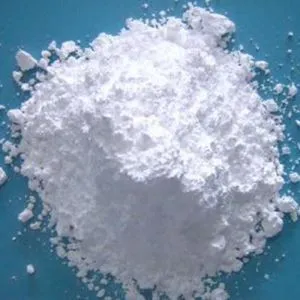
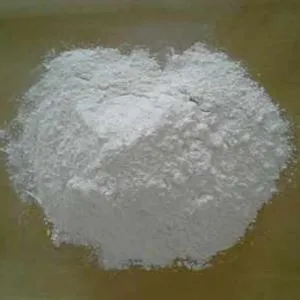
Antimony trioxide is a kind of high dispersed superfine granular material, made from antimony trioxide powder of which surface is treated through chemical method that make the powder slightly moisturizes to avoid any fine powder suspending in the air and bringing out harm to human body, meanwhile the antimony trioxide can resist fire and enhance the plastic features.
Antimony trioxide, also known as antimony(III) oxide or stibium oxide, has the chemical formula Sb2O3. It is a white crystalline powder that is slightly soluble in water and has low toxicity compared to other antimony compounds. Antimony trioxide is used in a variety of industrial applications, including flame retardants, ceramics, and glass. It is also used in the production of plastics, where it helps to reduce the flammability of the material. Additionally, antimony trioxide is used in the manufacture of paints, enamels, and pigments. Due to its unique chemical properties, antimony trioxide is an important material in many industries.
Catalytic Agent
Antimony trioxide serves as an effective catalytic agent in several chemical reactions. Its ability to promote reactions without being consumed makes it a valuable catalyst in the petrochemical industry, where it is used in the production of certain chemicals and fuels. Additionally, it finds applications in the catalytic conversion of harmful emissions in automotive exhaust systems, helping to reduce environmental pollution.
Chemical Stabilizer
Antimony trioxide exhibits excellent chemical stability, making it a suitable additive in polymers and plastics to enhance their durability and resistance to degradation. Its ability to withstand extreme temperatures and chemical reactions without significant changes makes it a reliable stabilizer in demanding applications.
Flame Retardant Properties
One of the most significant advantages of antimony trioxide is its flame retardant properties. It is widely used as a synergist with halogenated flame retardants, particularly in the plastics industry. When combined with these retardants, antimony trioxide significantly enhances the material's resistance to ignition and slows down the spread of fire. This makes it an essential component in the production of fire-resistant materials for construction, transportation, and electronics.
Cost-effectiveness
Despite its diverse range of applications, antimony trioxide is a cost-effective material. Its availability and relatively low production costs make it an economical choice for various industries seeking high-performance solutions without significant financial investments.
Glass And Ceramics Industry
Antimony trioxide plays a crucial role in the glass and ceramics industry. It is used as a clarifier in glass production, helping to remove impurities and improve transparency. In ceramics, it acts as a flux, lowering the melting point of other materials and facilitating the formation of desired shapes and textures.
Versatility In Applications
The versatility of antimony trioxide in different applications is another significant advantage. Its unique combination of physical and chemical properties allows it to be tailored for specific uses in various industries, including construction, electronics, automotive, and aerospace. This versatility ensures its continued demand and relevance in today's rapidly evolving industrial landscape.
High Quality
Our products are manufactured or executed to a very high standard, using the finest materials and manufacturing processes.
Professional Team
Our professional team collaborates and communicates effectively with each other, and is dedicated to delivering high quality results. We are capable of handling complex challenges and projects that require our specialized expertise and experience.
Advanced Equipment
A machine, tool or instrument designed with advanced technology and functionality to perform highly specific tasks with greater precision, efficiency and reliability.
Customized Services
We understand that each customer has unique manufacturing needs. That’s why we offer customization options to cater to your specific requirements.
Competitive Price
We offering a higher-quality product or service at an equivalent price. As a result we have a growing and loyal customer base.
24h Online Service
We try and respond to all concerns within 24 hours and our teams are always at your disposal in case of any emergencies.
This is the most commonly produced form of antimony trioxide and is used in a wide array of applications, including flame retardants, ceramic materials, and glass manufacturing. Technical grade antimony trioxide has a purity level ranging from 90% to 99.5%. It is synthesized through various methods, including the roasting of antimony-containing ores and the oxidation of antimony compounds. Depending on the specific requirements, technical grade Sb2O3 might be further processed to achieve certain particle sizes or surface modifications.
With a higher purity level than technical grade, reagent grade antimony trioxide is used in analytical chemistry, pharmaceuticals, and research laboratories where precise chemical composition is critical. Reagent grade Sb2O3 is rigorously purified to remove impurities and has a typical purity of above 99.5%. This grade is also utilized in specialized applications that require controlled reactions and consistent performance characteristics.
Designed for use in electronics and optoelectronics, electronic grade antimony trioxide boasts the highest degree of purity, often exceeding 99.99%. The stringent quality control measures ensure that this grade does not contain any metallic impurities or other contaminants that could adversely affect electronic components or semiconductor devices. Electronic grade Sb2O3 is used in the production of multilayer ceramic capacitors (MLCCs), among other electronic components.
Industries with specialized needs might request customized grades of antimony trioxide. These can be tailored in terms of particle size distribution, specific surface area, or other physicochemical properties to optimize performance in a particular application. Customization can be necessary for products like catalysts, pigments, or additives where the morphology of the Sb2O3 particles can significantly influence the final product's characteristics.
Containment
Antimony trioxide should be stored in containers that are designed to contain spills and prevent the escape of dust into the air. Sealed plastic or glass bottles, lined metal drums, or specially designed antimony storage containers are ideal. It is crucial to check for any signs of deterioration or damage to the container and promptly replace it if necessary.
Ventilation
Storage areas should have adequate ventilation to minimize the inhalation of antimony trioxide dust. This is especially important since the compound can be harmful if inhaled. Proper ventilation will also help to dissipate any fumes that might be released due to contamination or degradation of the compound.
Temperature Control
Maintaining a stable temperature within the storage environment is essential to prevent the decomposition of antimony trioxide. Extreme temperatures can cause the compound to break down, potentially releasing hazardous substances. It is advisable to store antimony trioxide at room temperature unless otherwise indicated by the manufacturer or safety data sheets.
Separation
To avoid cross-contamination, antimony trioxide should be kept separate from incompatible materials such as acids, alkalis, and halogens. A detailed inventory of all chemicals in the storage area should be maintained, indicating the location of each item and its compatibility with others.
Monitoring And Inspection
Regular monitoring of the storage area for any signs of contamination or leaks is essential. This includes regular inspections of the integrity of the storage containers and the cleanliness of the storage space.
Application of Antimony Trioxide
Flame Retardants
One of the most significant applications of antimony trioxide is as a synergist in flame retardant formulations, especially for polymers such as polyesters, polyethylene, and polyvinyl chloride (PVC). When combined with halogenated compounds like bromine or chlorine, antimony trioxide enhances the effectiveness of the flame retardants by promoting the release of non-flammable gases and char formation at the surface of the polymer, thereby inhibiting flame spread.
Pigments And Ceramics
Antimony trioxide is used as a colorant in glassmaking, providing a yellow to red tint to the glass. Additionally, it serves as a opacifier and stabilizer in ceramic glazes, improving the durability and appearance of ceramic products. In the pigments industry, Sb2O3 is utilized in the manufacture of certain colored pigments, including those used in paints, inks, and plastics.
Catalysis
Antimony trioxide is utilized as a catalyst or catalyst support in various chemical reactions, including the production of polyols in polyurethane synthesis and the oxidation of alcohols to aldehydes or ketones. The catalytic properties of Sb2O3 are attributed to its surface reactivity and ability to adsorb organic molecules.
Chemical Intermediate
In the chemical industry, antimony trioxide acts as a starting material for the production of other antimony compounds. For instance, it can be reacted with sodium bismuthate to produce bismuth oxide, or it can be used to synthesize antimony pentoxide, which is employed as a drier for paints and varnishes.
Textiles And Fabrics
As a mordant, antimony trioxide can be used to fix dyes onto textiles, enhancing the colorfastness of fabrics. It interacts with the dye molecules and helps attach them more securely to the fiber, reducing the risk of color fading or washing out.
Batteries
In the production of certain types of batteries, antimony trioxide is utilized as a component in the electrolyte, contributing to the battery's efficiency and lifespan.
Respiratory Protection
Since antimony trioxide can be harmful if inhaled, it is critical to wear appropriate respiratory protection. This could include half-face or full-face respirators equipped with filters capable of trapping very small particles. Respirators should be niosh-approved, fit-tested, and used according to a written respiratory protection program.
Handling Precautions
Handle antimony trioxide with care, avoiding any actions that might generate dust. Use tools and methods that do not produce airborne particles. Implement wet methods whenever possible to minimize dust dispersion. Ensure that work surfaces are covered with absorbent mats to contain spills.
Eye And Skin Protection
Wear chemical-resistant gloves made from materials that do not react with antimony trioxide. Long-sleeve laboratory coats or protective clothing can help prevent skin contact. Safety goggles or face shields should be worn to protect the eyes from splashes or dust.
Hygiene Measures
After handling antimony trioxide, wash hands thoroughly with soap and water. Shower immediately if antimony trioxide gets on the body. Launder protective clothing separately from other garments. Do not eat, drink, or smoke in areas where antimony trioxide is present.
Spill Response
Have a spill kit readily available and know how to use it. Spills should be contained and cleaned up as soon as possible. Avoid creating airborne dust during the cleanup process. Use non-sparking tools and avoid open flames in areas where antimony trioxide is stored or used.
Storage Conditions
Store antimony trioxide in properly labeled, airtightcontainers. Keep them away from incompatible materials, such as strong acids, oxidizing agents, and reducing agents. Store in a cool, dry place, away from sources of heat and ignition.
Identify Your Application
Different applications demand varying degrees of purity and specific characteristics of antimony trioxide. For example, if you’re using it as a flame retardant in plastics, you might opt for a technical grade that provides sufficient purity and performance at a reasonable cost. However, if you’re dealing with sensitive electronics, you would need electronic grade antimony trioxide with a very high purity level to avoid contamination and ensure device reliability.
Consider Purity Levels
Antimony trioxide is available in various purity levels, typically ranging from 90% to 99.99%. The purity level directly correlates with price; higher purity means a higher price point. Determine the minimum acceptable purity level based on your application's requirements and consider the potential impact of impurities on the performance and safety of your product.
Assess Particle Size And Shape
The particle size and shape of antimony trioxide can affect its dispersion in the host material and the final properties of the product. For instance, smaller particles can provide better dispersion and more efficient flame retardancy but might be more expensive. Consider the mixing and processing techniques you will use and how the particle size might impact these processes.
Stibnite Roasting
The most common method for producing antimony trioxide is through the roasting of stibnite (Sb2S3), which is the most abundant source of antimony. During the roasting process, stibnite reacts with oxygen to form antimony(III) oxide. This reaction typically occurs at temperatures ranging between 500°C and 700°C. The roasted material is then subjected to air separation to collect the antimony trioxide as a powder. The process may also involve the addition of fluxes to improve the efficiency of the reaction and reduce the formation of unwanted byproducts.
Flotation Method
In some cases, antimony trioxide can be extracted from ores through a flotation process. This method relies on the use of chemicals to separate antimony-bearing minerals from the surrounding rock. The ore is ground and then mixed with water and reagents that cause the antimony minerals to attach to air bubbles. As the mixture is agitated, the antimony-laden bubbles rise to the surface and are collected. The concentrate obtained from this process is then further processed to obtain antimony trioxide.
Wet Chemical Method
Another approach to producing antimony trioxide involves a series of chemical reactions in solution. For instance, antimony trichloride can be reacted with sodium hydroxide to precipitate antimony trioxide. This method is particularly useful for obtaining high-purity antimony trioxide for specialized applications.
Oxidation Of Metallic Antimony
Metallic antimony can also be oxidized to form antimony trioxide. This is achieved by heating metallic antimony in the presence of air or oxygen. The reaction is typically carried out in a controlled environment to prevent the further oxidation of antimony trioxide to antimony pentoxide.
Thermal Decomposition Of Antimony Compounds
Some antimony compounds, like sodium stibogluconate, decompose upon heating to yield antimony trioxide. This method can be advantageous for producing antimony trioxide in a pure form without the need for subsequent purification steps.
What Are the Components of Antimony Trioxide
Antimony trioxide, also known as diantimony trioxide or simply antimony oxide, is a crystalline solid with the formula Sb2O3. This compound is one of the most stable forms of antimony oxide and consists entirely of antimony and oxygen atoms. The molecular structure of antimony trioxide features two antimony atoms covalently bonded to three oxygen atoms, resulting in a stoichiometry of Sb2O3. Each antimony atom has a coordination number of six in its octahedral coordination geometry, with three of the coordination sites being occupied by oxygen atoms. Antimony trioxide exists in multiple polymorphs, but the most stable form at standard conditions is the tetragonal crystal system. Within this structure, the antimony and oxygen atoms arrange themselves in a specific pattern that gives the compound its characteristic properties, such as a high melting point and stability under various conditions. The chemical composition of antimony trioxide is purely inorganic, consisting solely of the elements antimony (Sb) and oxygen (O). There are no other elements or compounds within pure antimony trioxide. However, depending on the method of production or the presence of impurities during handling or storage, trace amounts of other elements may be found in commercial samples of antimony trioxide. These impurities can include arsenic, lead, or other heavy metals, and they can affect the properties and uses of the compound. The p orbital is partially filled, which contributes to the unique reactivity and electronic properties of the compound. Antimony trioxide can act as both an oxidizing and reducing agent, depending on the reaction conditions. When considering the components of antimony trioxide, it is also important to note that the compound can participate in various chemical reactions, such as hydrolysis, where it reacts with water to form various hydroxides and oxyanions of antimony. These secondary products can further interact with other substances, leading to complex reaction pathways and byproducts.
Antimony trioxide, or Sb2O3, is a white crystalline powder that is relatively stable and does not readily react with most substances under normal conditions. It is considered non-corrosive when in solid form and when in contact with many materials, such as plastics and metals, under ambient conditions. Antimony trioxide can act as a catalyst in certain chemical reactions, which might lead to corrosion if it accelerates reactions that degrade materials. For instance, in the presence of oxygen and moisture, it can catalyze the degradation of certain polymers, potentially leading to embrittlement and loss of mechanical properties. In terms of human health, while antimony trioxide itself isn't corrosive to skin, it can be an irritant and may cause skin rashes or allergic reactions in sensitized individuals. Inhalation exposure to antimony trioxide dust can lead to respiratory irritation and potential lung damage, but again, this doesn't constitute corrosion in the traditional sense. It's important to note that the classification of substances as corrosive is based on their ability to cause severe damage to living tissue, such as skin and mucous membranes, or to corrode metal. Given that antimony trioxide doesn't typically cause such damage under normal conditions, it is generally not classified as corrosive in this context.
Antimony trioxide (Sb2O3) is indeed utilized as a flame retardant in various industries due to its synergistic effects when combined with other flame retardants, particularly halogenated compounds. It finds application in plastics, rubber, textiles, and electronics, enhancing the fire safety of these materials. The mechanism by which antimony trioxide functions as a flame retardant is multifaceted. When a material containing antimony trioxide is exposed to high temperatures or an open flame, the antimony trioxide releases stibine gas (Sb2H6) and antimony oxides of lower oxidation states. These gases and particles can deplete the free radicals responsible for flame propagation in a process known as flame quenching. Additionally, the released antimony species can catalyze the decomposition of halogenated flame retardants into more effective flame-retarding species, such as hydrogen halides. These hydrogen halides then deactivate the free radicals in the flame front, thereby slowing down or preventing the spread of the flame. Furthermore, antimony trioxide can promote char formation when used with carbonaceous materials. During combustion, the antimony trioxide helps in generating a protective layer of carbon at the surface of the polymer. This char layer acts as an insulating barrier, slowing heat transfer to the interior of the material and preventing the release of flammable volatiles. The formation of a char not only delays the degradation of the material but also reduces the smoke produced and the toxicity of the combustion products. The effectiveness of antimony trioxide as a flame retardant is significantly enhanced when it is used in conjunction with halogenated flame retardants, particularly chlorine and bromine compounds. The synergy arises because the antimony trioxide facilitates the formation of phosphorus-containing acids and antimony-containing species from phosphorus-based additives, which further contribute to the formation of a stable char and the generation of non-flammable gases upon pyrolysis.
In the context of rubber synthesis, antimony trioxide acts as a heat stabilizer. When rubber is subjected to the curing process, which involves applying heat and pressure, it undergoes a transformation from a thermoplastic state to a thermoset state—essentially becoming cross-linked and vulcanized. This process renders the rubber more durable and elastic. Antimony trioxide, in combination with other additives like sulfur, facilitates this vulcanization process and protects the rubber from thermal degradation. Furthermore, antimony trioxide contributes to the overall durability and resilience of rubber. By enhancing the cross-linking within the rubber matrix, antimony trioxide improves the mechanical strength and flexibility of the material. This makes rubber products more resistant to tearing and abrasion, thereby extending their service life. In addition to its role in vulcanization, antimony trioxide also finds application as a flame retardant in rubber formulations. Its ability to release sulfur dioxide upon heating helps suppress flames and delays the onset of combustion. This property is particularly valuable in rubber products intended for use in environments where fire resistance is critical, such as in electrical insulation and building materials. Moreover, antimony trioxide's compatibility with a wide range of rubber types, including natural rubber (NR), styrene-butadiene rubber (SBR), and ethylene-propylene diene monomer (EPDM), makes it a versatile choice for rubber manufacturers. It can be easily incorporated into different rubber compounds, allowing for tailored properties based on the specific requirements of the final product.
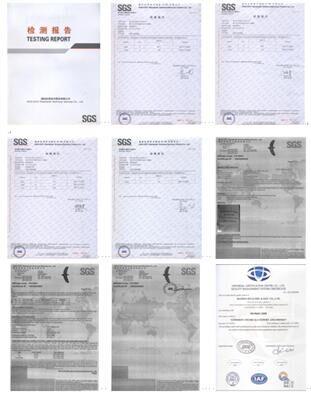
Xiamen Ditai Chemicals Co., Ltd is a professional chemical company in China. Specializing deal and export various kinds of quality chemicals since 1997. The products Include industry chemical, Animal feed additive, Food additive, Agrochemical, Fertilizer, pharmaceuticals, water treatment and Minerals. Our management team has about 20 years of combined expertise meeting the needs of clients. We are proud our quality chemcials and service was approbated by the clients in the worldwide. Xiamen Ditai Chemicals Co., Ltd is an ISO9001:2008 certificated organization.

Q: What is antimony trioxide?
Q: What are the common uses of antimony trioxide?
Q: How is antimony trioxide produced?
Q: Can antimony trioxide be used as a flame retardant?
Q: Can antimony trioxide be used as a catalyst?
Q: Can antimony trioxide be used in glass production?
Q: Can antimony trioxide be used in the production of batteries?
Q: Can antimony trioxide be used in the production of ceramics?
Q: Can antimony trioxide be used in the production of rubber?
Q: Can antimony trioxide be used in the production of textiles?
Q: Can antimony trioxide be used in the production of paints and coatings?
Q: Can antimony trioxide be used in the production of adhesives?
Q: Can antimony trioxide be used in the production of plastics?
Q: Can antimony trioxide be used in the production of electronics?
Q: Can antimony trioxide be used in the production of automotive parts?
Q: Can antimony trioxide be used in the production of building materials?
Q: Can antimony trioxide be used in the production of furniture?
Q: Can antimony trioxide be used in the production of toys?
Q: Can antimony trioxide be used in the production of textiles for children's clothing?
Q: Can antimony trioxide be used in the production of food packaging?
